
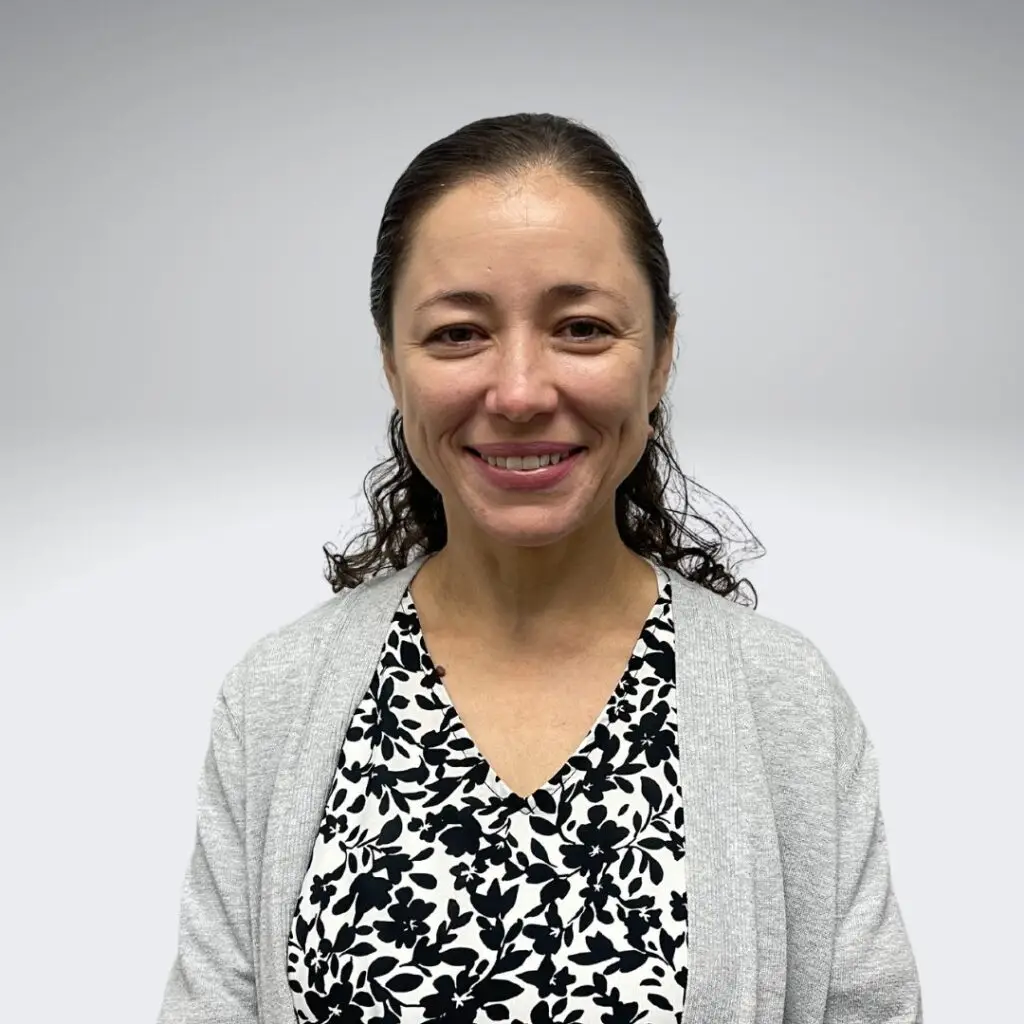
May is Mental Health Awareness Month, and at Operation New Hope, we know that mental health support is essential for successful reentry. To honor this vital connection, we’re spotlighting Maria Maldonado Gutierrez, a licensed Mental Health Therapist who brings compassion, expertise, and creativity to our Orlando team.
Maria plays a key role in supporting our Ready4Work clients, offering free, individualized care for up to 12 months. Each participant in the program is assigned a licensed therapist who provides one-on-one counseling, group support, and personalized care. These services are foundational to helping individuals transition back into their communities and rebuild their lives with confidence.
At Operation New Hope, we recognize that 80% of those we serve are working to overcome substance use disorders and significant trauma. That’s why our reentry programming provides comprehensive, recovery-oriented, trauma-informed, and equity-based mental health resources. These services are designed to prevent relapse, reduce recidivism, and foster long-term self-sufficiency.
Maria is a shining example of this approach in action. As our Spanish-speaking therapist in Orlando, she creates a welcoming, safe space where clients feel understood and empowered. She meets people where they are, offering culturally responsive care and translating when needed to ensure every client is heard. Thanks to her efforts, attendance in our Recovery Support Groups has grown, with clients now voluntarily participating and encouraging others to join.
Maria also makes the space her own, decorating the office walls with mental health facts and resources to foster an uplifting environment. Her thoughtful presence and consistent support embody the heart of our mission at Operation New Hope, which is to provide second chances and holistic support that empower people to thrive after incarceration.
What led you to this work?
Maria originally planned to become a lawyer to help individuals struggling with employment, but her path shifted toward social work. After years working in inpatient and outpatient mental health and substance abuse treatment, she joined ONH to make a difference in the reentry space.
What does a typical day look like for you at ONH?
“Depending on the day, I am usually working on completing mental health triage, biopsychosocial assessments, individual counseling, or facilitating group sessions. Providing one-on-one therapy is one of my favorite parts of what I do.”
What are some common mental health challenges that returning citizens face?
“Returning citizens often face elevated stress due to uncertainty about the future, limited support networks, and financial constraints while managing multiple obligations. Some clients received mental health services while incarcerated and need continued care after release, while others have never had any kind of mental health treatment and are navigating their transition back into society. One common challenge in the reentry process is regulating responses to stress. Incarceration can lead to long-term dysregulation, with symptoms like hypervigilance manifesting in behaviors. At ONH, we provide individualized treatment to meet clients where they are. This might include breathing exercises, mindfulness, improving interpersonal relationships, or working through past traumatic experiences.”
How does access to mental health care support a successful reentry journey?
“Access to mental health care supports reentry by helping clients develop realistic expectations and effective coping strategies to navigate overwhelming changes.”
What is the most fulfilling part of your job?
“Seeing people recognize their value and accept a second chance is the most rewarding part of what I do.”
What do you wish more people understood about the link between mental health and involvement in the justice system?
“I wish more people understood that mental health conditions can significantly affect how individuals function, sometimes resulting in justice system involvement. Life’s complexities influence our responses, and without support, this can lead to poor outcomes & decision-making. We as a society need a greater focus on prevention and overall well-being as ways to reduce issues like substance use.”
What simple strategies would you recommend to clients or anyone looking to take better care of their mental health?
“We all need to prioritize caring for our mental health. Recognizing the connection between the mind, body, and social relationships is key. Basic self-care practices include getting quality sleep, staying physically active, practicing gratitude, and building healthy social connections while maintaining personal boundaries.”
Our mental health support doesn’t stop at therapy. The year-long care includes group and individual counseling, transitional crisis interventions, AA/NA meetings, which help clients explore emotions, set goals, and develop strategies for meaningful change.